Henrik Meier · 2 September 2026
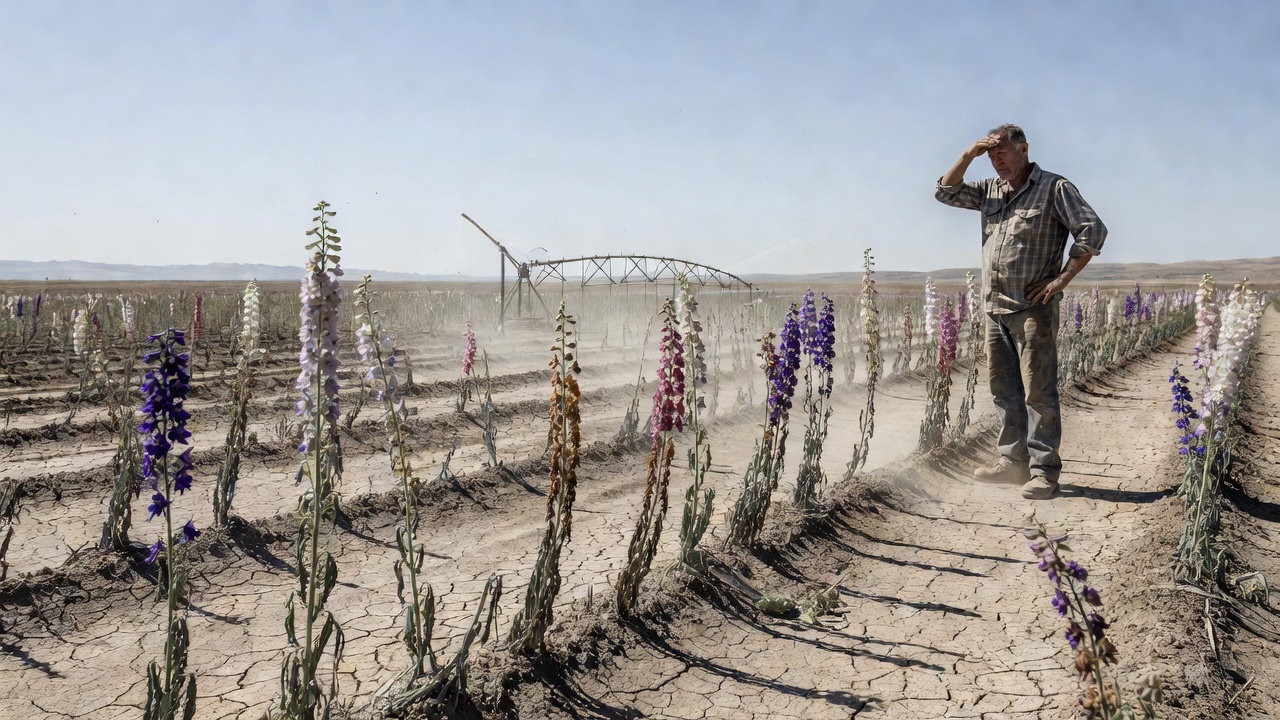
Persistent drought across the Pacific Northwest and California has led to reduced larkspur yields in commercial nurseries this spring. Water shortages and elevated temperatures have stressed the plants, resulting in smaller blooms and lower overall production volumes. Historical data shows stable output over the past decade until recent climate shifts altered conditions dramatically.
Regional Yield Declines
Nurseries report average yield reductions of up to 40 percent compared to previous years. In areas like the Central Valley, growers have had to limit irrigation to essential periods only. Larkspur plants, which thrive in well-drained soil with regular watering, are particularly vulnerable during their vegetative growth phase. This has prompted some facilities to shift focus toward other drought-tolerant flower species temporarily. Soil tests indicate critically low moisture content, hindering root development and nutrient uptake. As a consequence, the number of viable larkspur stems available for market has declined sharply. Larger operations with access to reservoirs are faring better, but even they face increased operational expenses from pumping and treating water. Additional challenges include higher energy costs for greenhouse climate control to offset outdoor extremes.
Adaptation Measures and Future Prospects
To combat these challenges, Pacific nurseries are investing in advanced water management technologies such as soil moisture sensors and automated drip systems. Collaborative studies with agricultural universities are underway to breed larkspur varieties with enhanced drought tolerance. These initiatives could help sustain the industry in the long term amid changing climate patterns. Market analysts expect prices for larkspur flowers to rise by 15 to 25 percent this season due to limited supply. Garden enthusiasts may notice scarcer selections at local retailers. Despite the difficulties, many growers remain optimistic, emphasizing the importance of sustainable practices to preserve larkspur cultivation in the region for years to come. Continued monitoring of precipitation forecasts will be crucial for planning subsequent planting cycles and maintaining supply chains.